
In the world of packaging, "Embossed Film" has emerged as a noteworthy innovation. This material brings a unique blend of aesthetics and functionality. Companies seek ways to enhance product appeal while ensuring protection. Embossed Film meets these needs through its distinct surface texture. It creates a tactile experience that captures attention on crowded shelves.
Moreover, the benefits of Embossed Film extend beyond visual appeal. Its durability contributes to better product preservation. Unlike traditional materials, it can resist moisture and prevent spoilage. This can significantly reduce waste and cost in the long run, offering a practical solution for manufacturers.
However, it is important to consider the limitations of Embossed Film. Not every product may require such intricate packaging. Some may find the costs prohibitive. Additionally, the environmental impact of embossed materials is a topic for reflection. Balancing aesthetics with sustainability is crucial for brands today. Embossed Film offers many benefits, but companies must weigh these against broader considerations.
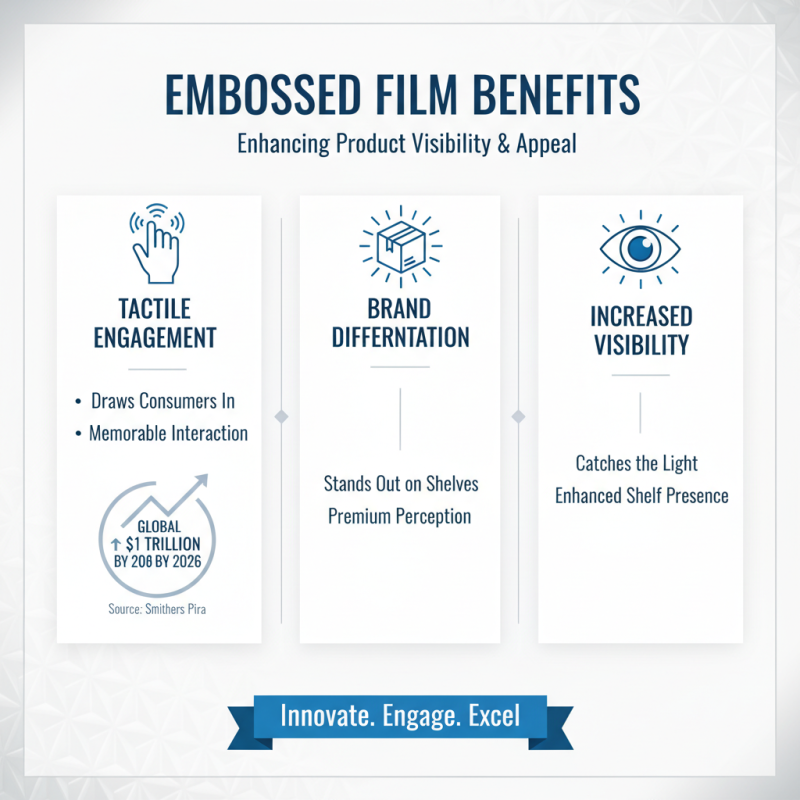
Embossed film in packaging offers many advantages that enhance product visibility and appeal. According to a recent report by Smithers Pira, the global packaging market is expected to reach $1 trillion by 2026. In this context, embossed films help brands stand out on shelves. The tactile nature of these films can draw consumers in, creating a memorable interaction with the product.
Consumers often respond positively to packaging that evokes a premium feel. Research shows that 67% of consumers are influenced by packaging aesthetics when making a purchasing decision. The raised designs on embossed films not only add a unique texture but also create reflections that catch the eye. This optical effect can elevate the brand’s perception in a crowded marketplace.
However, there are challenges to consider. The production process of embossed films can be more complex and costly than standard films. Brands must balance these extra costs against the potential sales increase. Additionally, not all products benefit from embossed packaging, making it essential for companies to assess their target market carefully. The decision should be rooted in a clear understanding of how embossed films resonate with their consumers.
Embossed film in packaging offers significant benefits, particularly in enhancing barrier properties. This type of film is designed to provide superior protection against moisture and contaminants. Products wrapped in embossed film are less likely to suffer from damage due to environmental factors. The unique texture of the embossed surface contributes to its effectiveness, creating pockets of air that act as a barrier.
Moisture can be detrimental to many products, especially food and pharmaceuticals. When products are exposed to humidity, shelf life can decrease drastically. Embossed film mitigates this risk by sealing out moisture efficiently. The design not only improves physical protection but also adds aesthetic value. Customers are often drawn to unique, textured packaging as it conveys quality.
Despite its many advantages, embossed film did encounter some challenges. For instance, the production process can be more complex and costly than standard films. Additionally, not all products are suited for embossed film packaging. Careful consideration must be given to product type and intended use. These factors highlight the need for expertise in packaging choices.
| Benefit | Description | Impact |
|---|---|---|
| Improved Barrier Properties | Enhanced protection against moisture and oxygen, preserving product freshness. | Reduces spoilage and extends shelf life. |
| Excellent Print Performance | Provides a smooth surface for high-quality printing. | Improves brand visibility and aesthetics. |
| Enhanced Durability | More resistant to tearing and puncturing. | Increases protection during transport and handling. |
| Eco-Friendly Options | Many embossed films are recyclable and sustainable. | Helps companies reduce their carbon footprint. |
| Cost-Effectiveness | Reduces packaging material usage due to strength and durability. | Lowers overall packaging costs. |
| Versatile Applications | Suitable for various product types in different industries. | Adapts to diverse packaging needs. |
| Consumer Convenience | Easy to open and reseal for user-friendly experience. | Increases customer satisfaction and loyalty. |
| Customizable Designs | Can be tailored to fit specific branding requirements. | Enhances brand identity. |
| Enhanced Aesthetic Appeal | Creates a premium look and feel for products. | Attracts attention on retail shelves. |
| Reduced Waste | Minimizes material wastage during production. | Supports sustainable manufacturing practices. |
Embossed film in packaging offers significant sustainability benefits. One major aspect is its recyclability. Many embossed films are made from materials like PET and PP, which are widely accepted in recycling streams. This allows consumers to easily dispose of their packaging in an environmentally-friendly manner. Additionally, the use of these films can reduce the volume of plastic used in packaging, helping to minimize waste.
Moreover, embossed films can lower environmental impact during production. The manufacturing process often requires less energy compared to traditional materials. This factor plays a crucial role in reducing carbon emissions. Nonetheless, it is essential to recognize the limitations. Not all embossed films may be suitable for recycling, depending on local facilities. Awareness and education about proper disposal are necessary for maximizing sustainability efforts.
Lastly, while embossed film can enhance product appeal, its environmental benefits must be weighed against production challenges. Consumers and companies alike should advocate for improved recycling capabilities. This ongoing dialogue is vital for pushing the industry toward more sustainable practices.
Using embossed film in packaging can lead to significant cost savings. One of the biggest advantages is its ability to reduce waste. Traditional packaging materials often contribute to environmental issues. They create excess waste that ends up in landfills. Embossed film, however, is designed to use less material without compromising quality.
The unique structure of embossed film minimizes the amount required for effective packaging. This approach not only conserves resources but also cuts down on production costs. Businesses can benefit from reduced expenditures on raw materials. Additionally, lighter packaging means lower shipping costs. It's a win-win scenario, economically and environmentally.
Organizations must reflect on their packaging choices. Switching to embossed film may seem daunting at first. There can be challenges in sourcing and adapting to new materials. However, the long-term benefits should not be overlooked. Embracing embossed film can lead to both financial gains and a positive impact on the planet. The question remains: is the packaging strategy aligned with sustainability goals?
This chart illustrates the top ten benefits of using embossed film in packaging, highlighting aspects such as cost reduction, improved aesthetics, and eco-friendliness among others. Each benefit is assigned an index rating based on its significance in the industry, demonstrating the long-term savings and advantages that embossed film can provide.
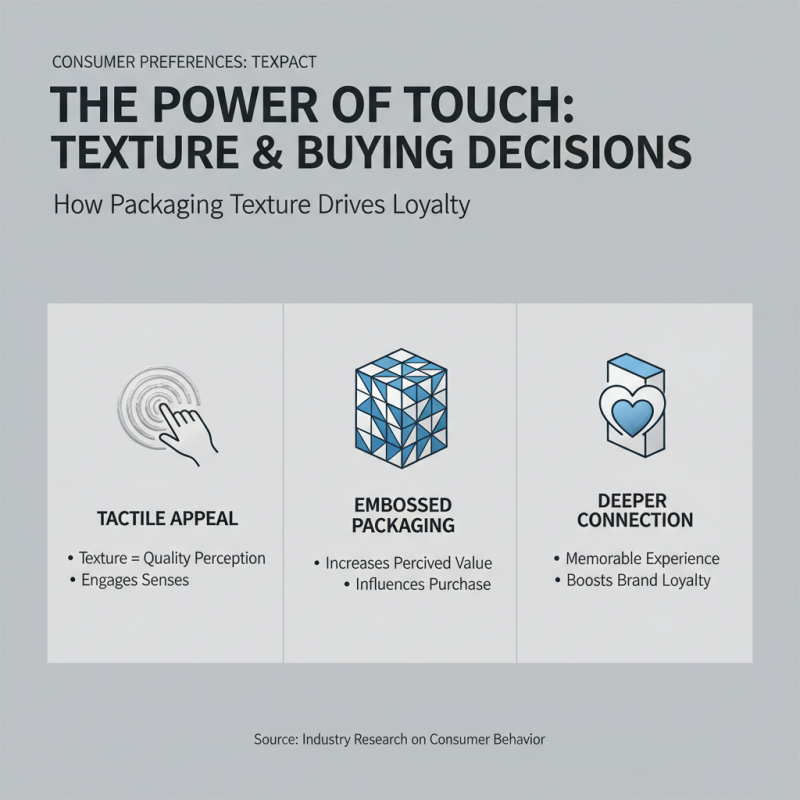
Texture plays a significant role in consumer preferences. Research shows that packaging with embossed film can influence buying decisions. Shoppers often respond to tactile experiences. A textured surface can create a sense of quality. When consumers pick up a product, they are drawn to the physical sensations. This interaction can lead to a deeper connection with the item.
Brand loyalty is also affected by packaging texture. When consumers enjoy the feel of a product, they are more likely to return. An embossed film can differentiate a brand in crowded markets. It adds a unique touch that many consumers remember. However, not all consumers prioritize texture equally. Some may focus on price or functionality instead. Brands must understand their target audience.
While using embossed films offers advantages, challenges exist. The production cost may be higher than standard options. Some businesses might hesitate to invest in textured packaging. Additionally, if the design is not aligned with the brand's message, it can lead to confusion. Careful consideration is needed to ensure the tactile experience enhances the overall brand image.