How to Choose the Right Polymer Sheet for Your Project?
Choosing the right Polymer Sheet for your project can be a daunting task. Industry expert Dr. Jane Thompson states, "Selecting the right polymer can enhance both durability and aesthetics." With so many options available, project requirements can vary greatly. Each polymer type has its unique properties, such as strength, flexibility, and resistance to chemicals.
When considering polymer sheets, it's crucial to evaluate your specific needs. For example, are you aiming for transparency or UV resistance? How will the sheet be used? Such questions can guide your decision-making. It’s easy to get overwhelmed by choices. Avoid making hasty decisions based on aesthetic appeal alone. The material’s functionality is often more important.
Many factors can lead to suboptimal choices. Misjudging the load capacity or environmental effects can result in project failure. Careful assessment of the intended application can help circumvent these issues. Remember, the right polymer sheet not only meets your project's demands but also complements your design vision seamlessly.

Understanding Polymer Sheets: Types and Their Characteristics
Polymer sheets come in various forms, each with unique characteristics. Understanding these differences is crucial for your project.
Acrylic sheets, for instance, are clear and lightweight. They offer good impact resistance and are easy to fabricate.
Polycarbonate sheets are tougher and more durable but can scratch more easily. They are ideal for applications requiring high strength.
Another type is PVC sheets. These are versatile and can be flexible or rigid. They resist chemicals well, making them suitable for many environments. On the other hand, polyethylene sheets are lightweight and moisture-resistant. People often use them in packaging and containment applications.
Choosing the right type depends on specific project needs. It’s easy to feel overwhelmed by options. You might wonder if you’re making the right choice. It’s worth exploring different types. Research and ask for samples before making a decision. Each polymer carries its pros and cons. Reflecting on these can help steer your project in the right direction. Always consider the application and environment of use.
Key Factors to Consider When Choosing a Polymer Sheet
When selecting a polymer sheet, several key factors come into play. Understanding the specific requirements of your project is crucial. Material properties such as tensile strength and flexibility must align with your intended use. For instance, polycarbonate sheets offer high impact resistance, making them ideal for safety applications. According to the Plastics Industry Association, the global demand for polymer materials is projected to grow by 4% annually through 2026, highlighting their increasing importance in various sectors.
Thickness is another critical consideration. Thicker sheets typically provide better durability and insulation. However, they may also increase weight, complicating installation. Research indicates that a 3mm thick sheet can withstand temperatures up to 125°C, making it suitable for high-temperature environments. A balance between strength and ease of handling is essential. Some projects may require lightweight options, while others may prioritize robustness.
Environmental factors also play a role. UV resistance can prolong a polymer sheet’s lifespan, particularly for outdoor applications. In fact, studies show that UV-stabilized sheets can last up to 50% longer when exposed to sunlight. Despite these benefits, cost may become a constraint. Evaluating budgetary limits alongside technical specifications can lead to difficult choices. It’s important to consider the long-term implications of your decision. Each project has unique demands, and the right choice can significantly affect performance and longevity.
Common Applications for Different Polymer Sheet Materials
When selecting polymer sheets, it’s crucial to consider their applications. Different materials serve distinct purposes. For instance, acrylic sheets are clear and lightweight. They are often used in signage and displays. The transparency and durability make them popular.
Polycarbonate is another widely used option. It offers high impact resistance, making it ideal for safety glasses and protective barriers. However, it can scratch easily, which is a drawback. This requires careful handling and possibly an additional coating for protection.
PVC sheets are versatile and can be found in construction and advertising. They are affordable but not as durable as acrylic or polycarbonate. On the downside, PVC may warp under high heat. Selecting the right material depends on the project’s specific needs. Reflecting on the material’s properties will guide your decision.
Cost Considerations: Budgeting for Your Polymer Sheet Project
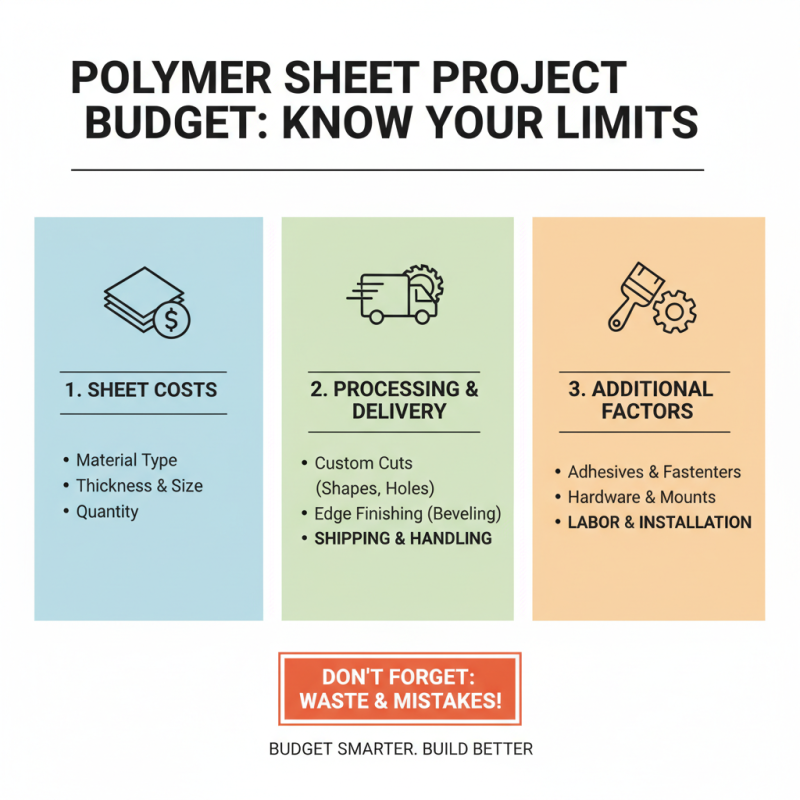
When budgeting for your polymer sheet project, it’s essential to identify your limits. Consider not only the sheet costs but also additional factors. Shipping, custom cuts, and finishing touches can add up quickly. Take a closer look at the details.
Tips: Always create a detailed list of everything you need. Avoid last-minute purchases that can inflate your budget.
One common mistake is underestimating material thickness. Thicker sheets tend to be more expensive. But, they may save you money on replacements later. Look beyond initial costs. Sometimes, investing upfront yields better long-term results.
Tips: Research various suppliers and compare prices. Don't forget to measure your space accurately. A small mistake can lead to costly adjustments. Always think ahead.
Sourcing and Suppliers: Where to Find Quality Polymer Sheets
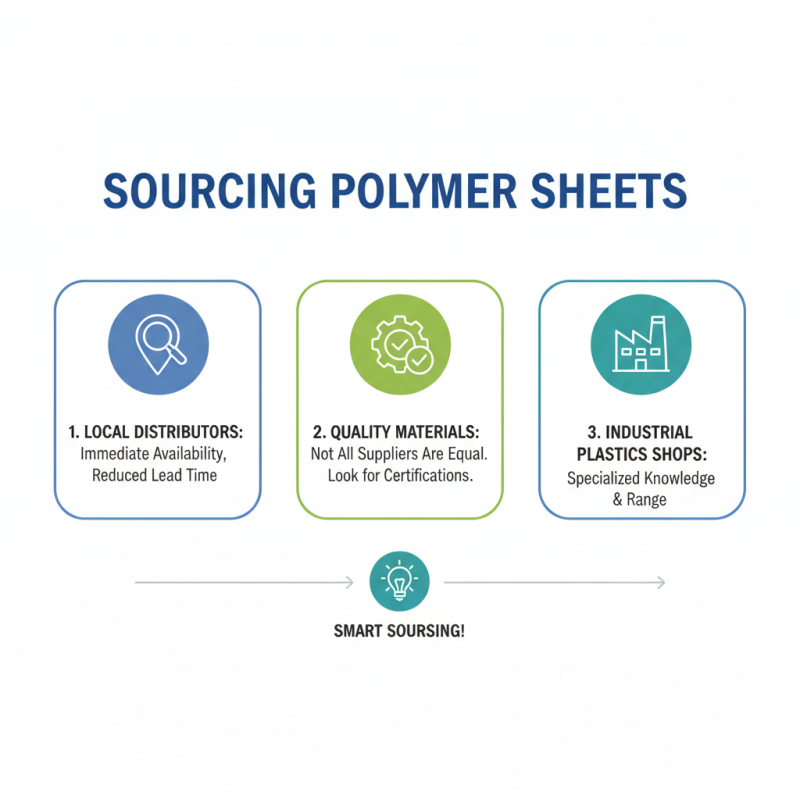
When sourcing polymer sheets, it’s crucial to know where to look. Many suppliers offer a range of options, but not all provide quality materials. Start by exploring local distributors. They can offer immediate availability, reducing lead time. Look for shops that specialize in industrial plastics.
Online marketplaces are also valuable resources. However, you must verify the supplier's reputation before making a purchase. Check reviews and ratings. It’s hard to gauge quality through a screen. Request samples to feel the material. This step ensures you’re getting what you need.
You might encounter issues like mismatched specifications. Be diligent in communicating your requirements. Sometimes, the price is tempting, but it could lead to disappointment. Don’t hesitate to ask questions about material properties and applications. Remember, every project is unique. The right polymer sheet can vary based on specific needs.

 1Durch die gruppenweite Einführung und Harmonisierung unseres integrierten Managementsystems (IMS) werden alle bestehenden Unternehmens-, Qualitäts-, Umwelt- und Energiepolitiken durch diese Unternehmenspolitik ersetzt. Der Slogan „Textil hat Zukunft – auch in De