2026 Top Trends in Polyester Shrink Film What You Need to Know
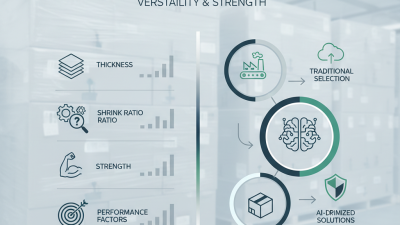
In the dynamic landscape of packaging materials, Polyester Shrink Film stands out with its versatility and strength. Spanning various industries, this type of film is essential for product protection and presentation. As we approach 2026, emerging trends indicate a shift toward more sustainable solutions and innovative designs.
Market demands are evolving. Companies are increasingly focused on eco-friendly options while maintaining high-quality standards. The evolution of Polyester Shrink Film reflects this balance. It's intriguing to see how manufacturers are adapting to consumer preferences. New technologies are also reshaping this sector, enhancing performance and efficiency.
However, challenges persist. Stakeholders must consider cost-effectiveness alongside environmental impacts. Ensuring a reliable supply chain for Polyester Shrink Film is crucial for meeting rising demands. As we analyze these trends, it is vital to address potential shortcomings and focus on continuous improvement. Only then can the industry fully realize the benefits of this versatile packaging solution.

Emerging Technologies in Polyester Shrink Film Production for 2026
Emerging technologies in polyester shrink film production for 2026 are shaping the landscape of packaging solutions. Innovations focus on enhancing performance while reducing environmental impact. Advancements in material science are creating polyester blends that boast better shrinkage properties and durability.
A notable trend is the use of bio-based materials in polyester films. These alternatives aim to replace conventional petroleum-based products. Companies are experimenting with sustainable sources, but many face challenges in scalability and cost. The transition to greener materials requires robust research and development.
Automation and AI are also making strides in production processes. Smart manufacturing techniques have improved efficiency and reduced waste. However, integrating these technologies can be complex. Some manufacturers struggle with workforce adaptation and equipment upgrades. These issues highlight the need for continuous training and investment. Overall, while the future appears promising, industry players must navigate these evolving challenges carefully.
2026 Top Trends in Polyester Shrink Film Production
Sustainability Practices in the Polyester Shrink Film Industry
The polyester shrink film industry is embracing sustainability. Recent studies show that nearly 30% of consumers prioritize eco-friendly packaging. This shift is prompting manufacturers to rethink their practices. Implementing recycled materials is a primary focus. In fact, reports indicate an increase in the use of recycled PET in production, reaching 25% by 2025.
While advancements are evident, challenges remain. The energy-intensive process of producing polyester films can offset the benefits of using recycled materials. Many firms are exploring renewable energy sources to minimize their carbon footprint. A 2022 industry analysis revealed that only 15% of companies actively employ sustainable energy solutions.
Additionally, communication remains an issue. Many consumers are unaware of the benefits of recyclable polyester films. To foster this awareness, brands need to enhance transparency in their sourcing and production methods. Engaging storytelling about sustainable practices can create meaningful connections with consumers. However, missteps in marketing can lead to skepticism rather than trust.
2026 Top Trends in Polyester Shrink Film - Sustainability Practices in the Polyester Shrink Film Industry
| Trend |
Impact on Sustainability |
Adoption Rate (%) |
Projected Growth (2026) |
| Biodegradable Materials |
Reduces plastic waste and promotes environmental consciousness. |
45% |
10% increase |
| Recyclability Initiatives |
Encourages recycling programs, reducing landfill impact. |
60% |
15% increase |
| Energy Efficient Production |
Lowers carbon footprint during the manufacturing process. |
55% |
20% increase |
| Bio-based Feedstocks |
Uses renewable resources, reducing dependency on fossil fuels. |
40% |
25% increase |
| Waste Reduction Practices |
Minimizes waste during production and post-consumer stages. |
50% |
30% increase |
Market Trends Influencing Polyester Shrink Film Usage in Various Sectors
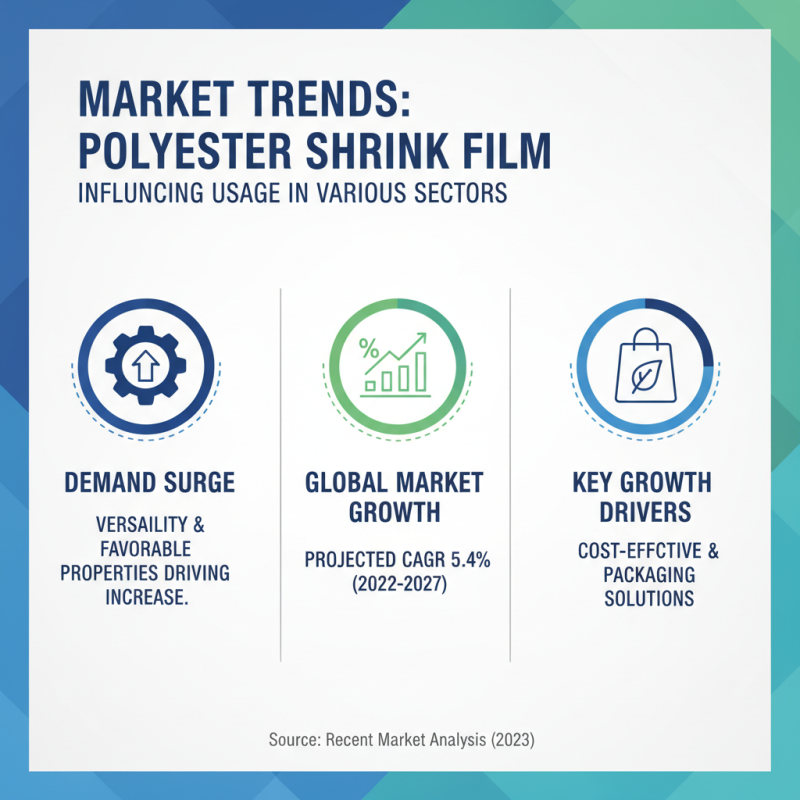
The polyester shrink film market is witnessing notable trends across various sectors. According to a recent market analysis, demand is surging due to its versatility and favorable properties. The global market for polyester shrink film is projected to grow at a CAGR of 5.4% from 2022 to 2027. This growth is attributed to the increasing need for cost-effective and sustainable packaging solutions.
In the food sector, polyester shrink film ensures excellent barrier properties, preserving freshness. Reports indicate that over 40% of manufacturers are now opting for these films. Sustainability is a key driver, with more businesses focusing on recyclable materials. Additionally, the retail sector is seeing increased usage for promotional packaging. Organizations are turning to creative designs, enhancing visual appeal through vibrant prints.
However, the market faces challenges. The volatility of raw material prices can affect production costs. There is also a need for more advanced technology in the shrinking process to enhance efficiency. As businesses adapt, addressing these challenges will be crucial for sustained growth in polyester shrink film utilization.
Innovative Applications of Polyester Shrink Film in Packaging Solutions
Polyester shrink film is gaining momentum in packaging solutions. The latest industry report predicts a robust growth rate of 6.9% CAGR over the next five years. This trend reflects a growing demand for versatile and sustainable packaging options across various sectors.
One innovative application of polyester shrink film is in the food industry. Its ability to provide a tight seal protects products from external contaminants and extends shelf life. A study estimates that using this film can reduce food waste by up to 20%. Additionally, its clarity enhances product visibility, appealing to consumers. However, the environmental impact of packaging waste remains a concern, prompting discussions on recyclability and alternatives.
Tip: Consider using biodegradable materials for packaging. Assess the life cycle of the products to minimize waste.
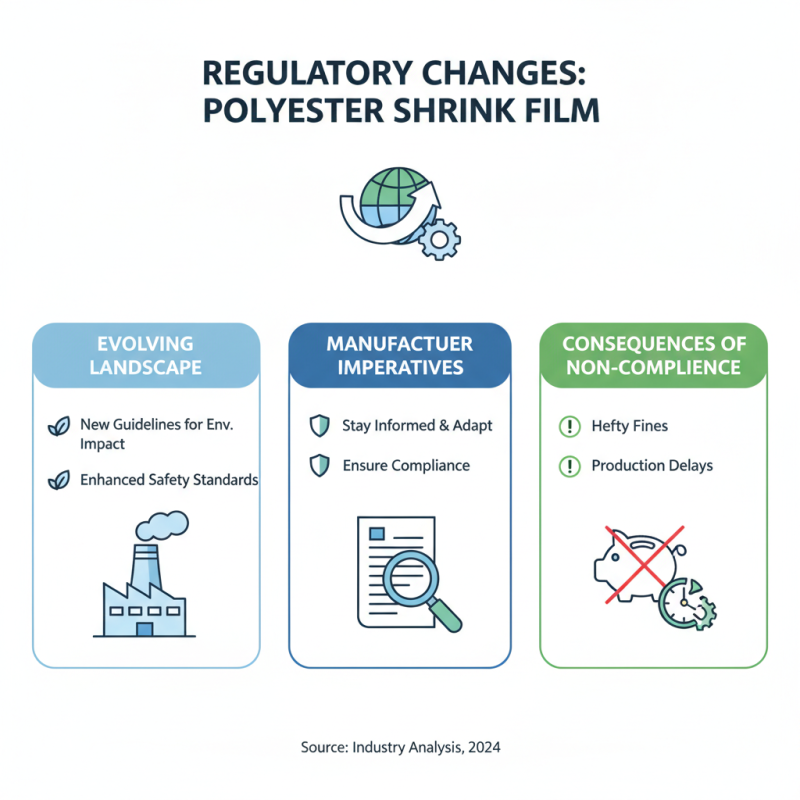
Another promising use is in the healthcare sector. Polyester shrink film is utilized for packaging medical devices and pharmaceutical products. It ensures security and integrity, which are critical in these industries. Yet, tightened regulations and demands for sterile packaging challenge manufacturers. Finding a balance between safety and sustainability requires continuous innovation.
Tip: Stay updated on regulations in your industry. Adapt packaging methods to maintain compliance.
Polyester shrink film is changing the landscape of packaging. Its adaptability and effectiveness cater to diverse needs while presenting challenges that require attention.

 1Durch die gruppenweite Einführung und Harmonisierung unseres integrierten Managementsystems (IMS) werden alle bestehenden Unternehmens-, Qualitäts-, Umwelt- und Energiepolitiken durch diese Unternehmenspolitik ersetzt. Der Slogan „Textil hat Zukunft – auch in De