China Best Pet Polyester Film Overview and Applications in Modern Industry?
In the dynamic realm of modern industry, Pet Polyester Film stands out for its versatility and performance. Dr. Emily Zhang, a leading expert in polymer materials, once stated, "Pet Polyester Film drives innovation across various sectors." This highlights the film's critical role in enhancing product functionality and durability.
Pet Polyester Film is widely used in packaging, electronics, and graphic applications. Its excellent tensile strength and flexibility make it ideal for diverse industrial needs. Companies leverage its properties to create sustainable solutions that meet consumer demands. However, there are challenges in ensuring consistent quality. Variations in production methods can lead to discrepancies that affect reliability.
While the potential of Pet Polyester Film is significant, there remains room for improvement in manufacturing processes. End-users often report issues with film adhesion and clarity. Addressing these concerns requires ongoing research and collaboration within the industry. Fostering innovation and quality assurance will ultimately elevate the use of Pet Polyester Film across various applications.

Overview of Polyester Film Properties and Characteristics
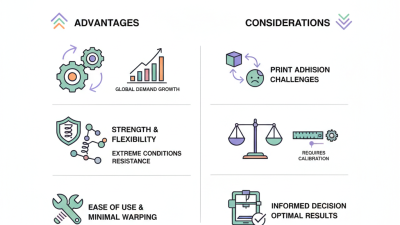
Polyester film is known for its unique properties, making it essential in various industries. This film exhibits excellent tensile strength and durability. Its thermal stability ranges from -70°C to +150°C, allowing it to withstand extreme conditions. According to a report by the U.S. Department of Energy, the global demand for polyester films is expected to rise by 6% annually. This data highlights the material's growing significance in today's market.
One notable feature of polyester film is its optical clarity. This characteristic is often leveraged in packaging applications, enhancing product visibility. Furthermore, polyester films have a high dielectric strength, making them ideal for electrical insulation in devices. However, challenges exist. Recycling polyester film remains a complex process, requiring advanced technologies. The industry must adapt to improve sustainability, as current recycling rates are low.
Polyester film is also resistant to chemicals and UV radiation. This durability ensures longevity in outdoor applications. Manufacturers are increasingly exploring new formulations to enhance performance. While the versatility of polyester film is evident, continuous innovation is needed. For example, exploring biodegradable options could address environmental concerns. The industry's future relies on balancing performance and sustainability.
China Best Pet Polyester Film Overview and Applications in Modern Industry
| Property |
Value |
Application |
| Thickness |
8 - 300 microns |
Flexible packaging |
| Tensile Strength |
> 200 MPa |
Labels and tags |
| Thermal Resistance |
-40 to 120°C |
Electronics insulation |
| Water Vapor Transmission Rate |
< 5 g/m²/day |
Food packaging |
| UV Resistance |
Good |
Outdoor applications |
| Ease of Printing |
Excellent |
Graphics and advertising |
Key Applications of Polyester Film in Modern Industries
Polyester film has become a vital material in various modern industries due to its unique properties. Its lightweight and durability make it an excellent choice for packaging applications. Many food products are wrapped in polyester film, ensuring freshness and protection. The film is also popular in the manufacturing of electronic devices. It is used in insulating layers for components. This helps improve product lifespan and reliability.
In the automotive sector, polyester film plays a crucial role in producing tinted windows and windshields. These films provide UV protection, enhancing passenger comfort. The aerospace industry benefits from polyester’s lightweight nature. It is utilized in interior linings, reducing overall aircraft weight. However, while polyester film is widely used, we must consider its environmental impact. Recycling options remain limited, causing concern among manufacturers and consumers alike.
In conclusion, polyester film is essential to modern industries, with a range of applications that highlight its versatility. However, the need for eco-friendly alternatives is more pressing than ever. Companies are exploring biodegradable options, but challenges exist. Innovative solutions are needed to ensure sustainability in this area.
Applications of Polyester Film in Modern Industries
Advantages of Using Polyester Film for Pet Applications
Polyester film, especially in its PET form, is gaining traction across various industries. This material shows extraordinary durability and heat resistance. Data from industry reports highlight a significant rise in its adoption, particularly in packaging and electronics. Polyester film outperforms traditional materials, making it the preferred choice for many manufacturers.
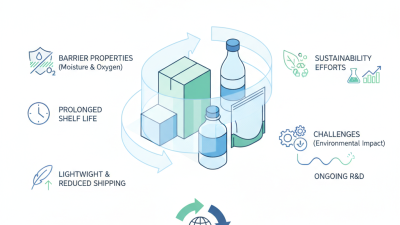
One of the key advantages of PET polyester film is its lightweight nature. Weighing significantly less than glass or metal, it reduces shipping costs. Additionally, its excellent barrier properties help preserve products. This durability extends the shelf-life, directly impacting consumer satisfaction. Research indicates that using polyester film can enhance energy efficiency in manufacturing processes by up to 20%.
While PET polyester film offers several benefits, some challenges persist. Recyclability remains an area for improvement. The industry is evolving, with ongoing research into more sustainable alternatives. Furthermore, improper handling during production can lead to imperfections in the film, impacting overall performance. These factors need careful consideration by manufacturers aiming for long-term sustainability.
Comparative Analysis of China’s Polyester Film Market
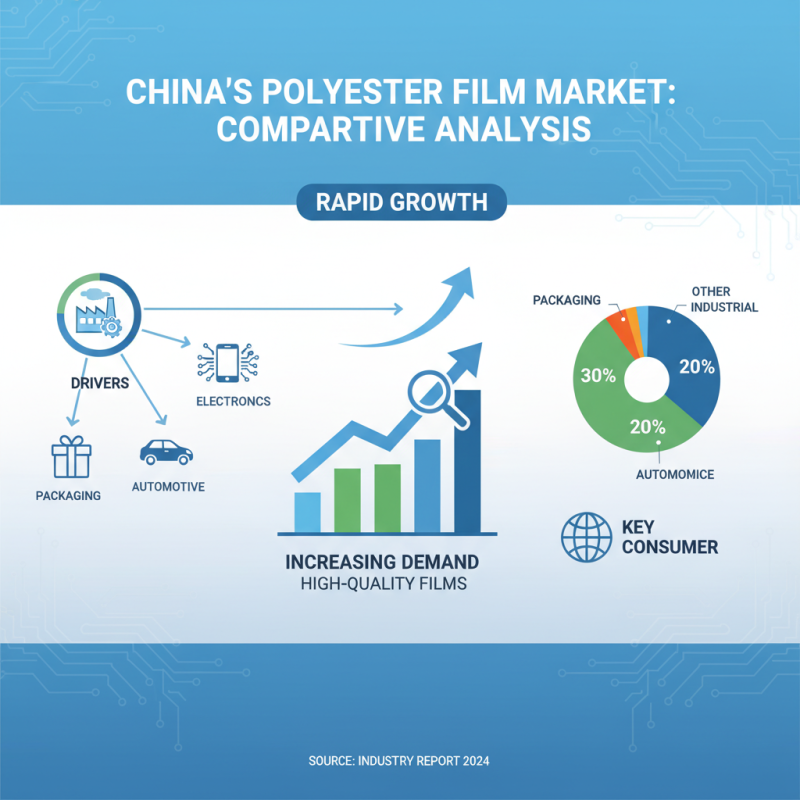
China's polyester film market is witnessing rapid growth. This expansion is driven by diverse industrial applications. The demand for high-quality polyester films is climbing. Industries like packaging, electronics, and automotive are significant consumers.
In the packaging sector, polyester film is valued for its durability and flexibility. It's widely used in food packaging due to its barrier properties. Electronics manufacturers favor polyester film for its insulating capabilities. However, the market reveals some challenges. Competition is heating up, leading to price fluctuations and varying quality standards.
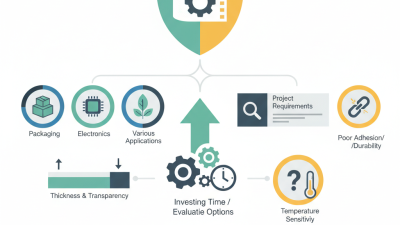
Tips: When selecting polyester film, consider its application first. Assess the specific requirements of your industry. Quality checks on suppliers can safeguard against subpar products. Focusing on the right properties ensures better performance.
The automotive industry uses polyester films for insulation and safety features. These applications highlight the film's importance across sectors. Yet, the environmental impact remains a concern. As production ramps up, the need for sustainable practices becomes evident. Innovating towards eco-friendly options may become essential for future growth.
Future Trends and Innovations in Polyester Film Technology
The future of polyester film technology is promising, marked by continuous innovation and sustainable practices. Recent market research indicates that the global polyester film market is expected to grow at a CAGR of 5.2% from 2023 to 2030. This growth is fueled by its versatility in various applications, including packaging, electronics, and automotive industries. Innovations are focusing on enhancing durability and recycling capabilities, addressing environmental concerns.
One noteworthy trend is the development of biodegradable polyester films. These materials can reduce plastic waste and are becoming more popular among manufacturers. Advanced research shows that these films can decompose in less than three years under suitable conditions. This innovation is vital as industries shift toward sustainable solutions.
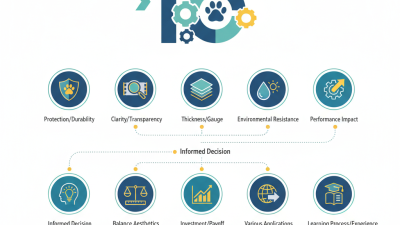
Tips: When choosing polyester films, consider their application carefully. Select films based on thickness and properties suitable for your specific needs. It’s essential to stay informed about industry standards and new technologies to make effective choices.
The integrity of polyester films remains an area for improvement. The challenge lies in balancing high performance and eco-friendliness. As demand grows, manufacturers must find ways to maintain quality while reducing environmental impacts. Continuous investment in research is crucial for sustainable advancements in this field.

 1Durch die gruppenweite Einführung und Harmonisierung unseres integrierten Managementsystems (IMS) werden alle bestehenden Unternehmens-, Qualitäts-, Umwelt- und Energiepolitiken durch diese Unternehmenspolitik ersetzt. Der Slogan „Textil hat Zukunft – auch in De