How to Choose the Right Laminating Film for Your Project?
Choosing the right laminating film can significantly impact the quality of your projects. Laminating film serves to protect documents, enhance their appearance, and increase longevity. This choice can seem overwhelming due to various types available in the market.
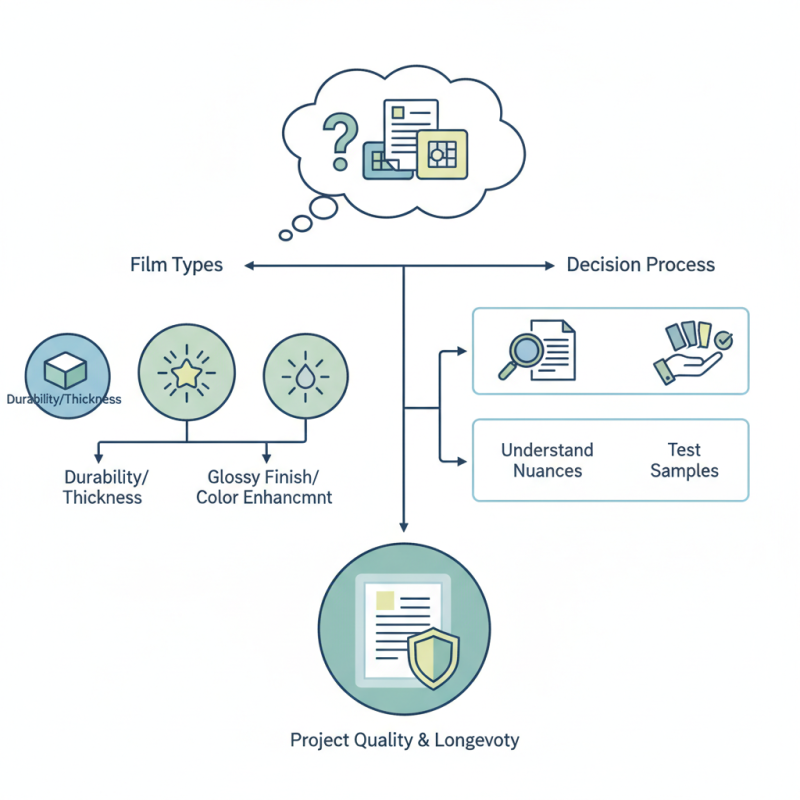
Each laminating film type offers distinct features, such as thickness, finish, and adhesive quality. For instance, a thicker film tends to provide more durability but may alter the document's original appearance. A shiny finish might enhance colors, while a matte finish can help reduce glare.
Understanding these nuances is vital. However, many people overlook the importance of testing samples before committing. Sometimes, what looks good in theory may not meet expectations in practice. This reflection could save time and resources in the long run. Ultimately, the goal is to select a laminating film that aligns with your specific needs while maintaining the document's integrity.
Understanding the Types of Laminating Films Available
When selecting a laminating film, understanding the types available is crucial. There are three main categories: gloss, matte, and super-clear. Each type offers distinct finishes and protection levels. Gloss laminating films enhance colors and provide a shiny look. They are ideal for promotional materials, making visuals pop. According to a 2022 industry report, gloss films account for approximately 45% of the laminating film market due to their striking appearance.
Matte laminating films, on the other hand, create a more subdued finish. They are less reflective, reducing glare for easy readability. This type is popular for packaging and high-quality prints where clarity is paramount. Recent studies indicate that matte films have seen a 25% increase in demand as more businesses prioritize texture and tactility in their prints. Super-clear films offer transparency with minimal visual distraction. They allow the original design to shine through while adding durability.
Choosing the right type involves considering the project context. Not all laminating films perform equally under different conditions. For instance, glossy films may show fingerprints easily, affecting presentation. Reflective qualities could also compromise readability. A key takeaway is that preferences vary by application. Balancing aesthetics and functionality is essential for optimal results.
Types of Laminating Films Used in Projects
Evaluating the Thickness and Durability of Laminating Films
When selecting the right laminating film, thickness and durability are crucial factors. A thicker film generally offers more protection. It withstands wear and tear better than thinner options. For instance, a 10-mil film provides a sturdy barrier against moisture and dirt. It can be ideal for documents that will see frequent handling. Conversely, a 3-mil film is lighter. It’s suitable for items that require less protection, like temporary signs.
Durability goes beyond thickness. The quality of the materials used in the film matters greatly. Consider the intended use of your laminated items. For documents that will be exposed to sunlight, UV-resistant films are essential. They prevent fading and maintain clarity over time. On the other hand, some films may become brittle after prolonged exposure to heat. Evaluating environmental conditions is important. They can impact the longevity of your laminated project.
It's also worth noting that not all projects require the highest thickness or durability. Reflect on your needs carefully. Sometimes a lighter film suffices. Striking the right balance can save costs while still serving your purpose well. However, opting for a flimsy film can lead to quick damage. Doing thorough research will guide you in making an informed decision.
How to Choose the Right Laminating Film for Your Project? - Evaluating the Thickness and Durability of Laminating Films
| Film Type |
Thickness (mil) |
Durability |
Best Uses |
| Standard Laminating Film |
3 mil |
Medium |
Documents, Menus |
| Heavy Duty Laminating Film |
5 mil |
High |
Posters, Photos |
| Cold Laminating Film |
3 mil |
Medium |
Heat-sensitive materials |
| Gloss Laminating Film |
5 mil |
High |
High-impact presentations |
| Matte Laminating Film |
5 mil |
High |
Art prints, high-quality photos |
Assessing the Finish Options: Glossy vs. Matte Laminating Films
When choosing laminating films, the finish can make a significant difference in the overall appearance and functionality of your project. Glossy laminating films provide a high-shine finish, enhancing colors and offering a vibrant look. Studies indicate that glossy surfaces can increase color perception by as much as 25%. This glazing effect makes glossy films ideal for marketing materials, flyers, and photographs where visual impact is crucial.
On the other hand, matte laminating films offer a different appeal. They create a subtle, sophisticated finish that reduces glare. Reports show that matte finishes can improve readability by minimizing reflections. This makes them well-suited for book covers, educational materials, or artwork where clarity and a refined appearance are prioritized. However, matte films may not protect colors as strongly as their glossy counterparts, leading to potential fading under certain conditions.
Tips: Consider your project's intended use. If the material will be displayed under direct light, glossy may be the better choice. However, if it will be handled frequently or displayed in bright environments, matte could be more practical. Assess weight and thickness as well. Thicker films generally offer better durability but can be more challenging to work with. Evaluate conditions carefully; your choice of finish significantly impacts your project's success.
Identifying Specific Project Needs and Requirements
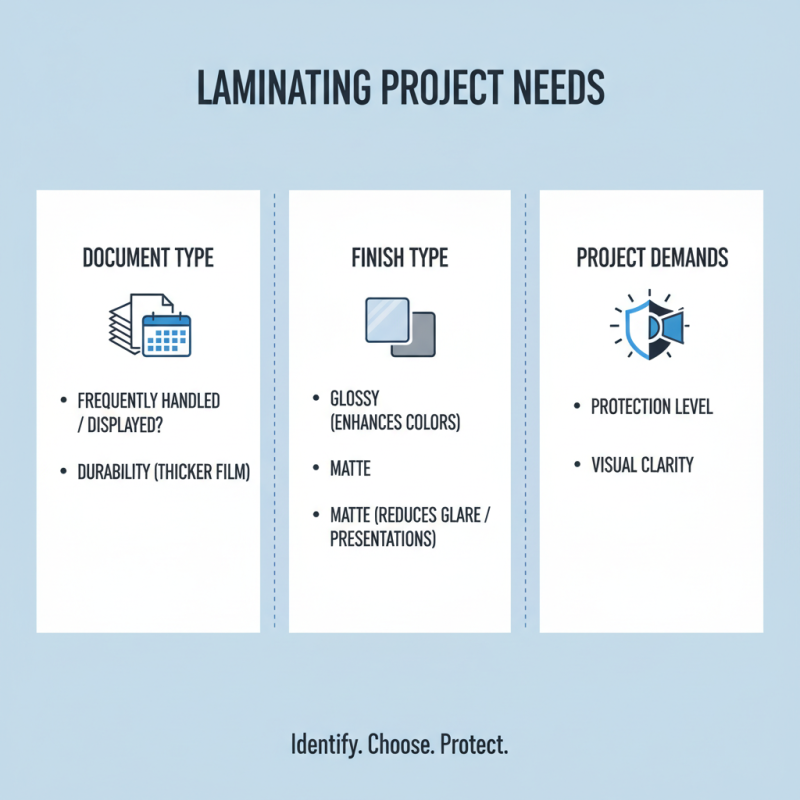
When embarking on a laminating project, it’s vital to identify your specific needs. Consider what type of documents you're working with. Are they frequently handled or displayed? If so, a thicker film may provide the durability you require. Also think about whether your project demands a glossy or matte finish. Glossy films enhance colors, while matte films minimize glare, making them suitable for presentations.
Next, assess the size and shape of the items you will laminate. Standard sizes are readily available, but custom sizes can also be a solution. Keep in mind that cutting the film post-lamination can be tricky. It can lead to uneven edges or damage the laminate. Reflect on whether you need heat-sealed or cold laminating options. Each method has unique characteristics that affect the outcome. Some projects may benefit from a more forgiving approach, while others require precision.
Ultimately, understanding these specifics will help you make an informed decision, aligning your laminating film choice with the project's demands. Consider taking time to experiment with different films before committing to one. This trial and error process can uncover unexpected advantages as well as challenges.
Comparing Cost and Quality for Optimal Laminating Film Choice
When selecting laminating film, cost and quality are pivotal. Affordable options exist, but they may compromise durability.
High-quality films provide superior protection but often come at a higher price. Striking a balance is essential for budget-conscious projects.
Consider the film thickness. Thicker films tend to offer better durability, especially for high-use items.
However, they can also be more expensive. It's vital to evaluate the project's specific needs. For example,
ID cards require sturdier film, while seasonal posters may not. Researching different types can reveal cost-effective choices that meet quality standards.
User feedback can guide your decision. Reviews often highlight not just performance but longevity, aiding in assessing the film's reliability.
While it's tempting to opt for the cheapest option, remember the trade-offs involved. It’s beneficial to gather samples before committing.
Experimentation can lead to discovering the optimal film that provides both value and quality.

 1Durch die gruppenweite Einführung und Harmonisierung unseres integrierten Managementsystems (IMS) werden alle bestehenden Unternehmens-, Qualitäts-, Umwelt- und Energiepolitiken durch diese Unternehmenspolitik ersetzt. Der Slogan „Textil hat Zukunft – auch in De