10 Essential Tips for Choosing the Right Polymer Film For Your Project?
Choosing the right polymer film for your project can be daunting. Experts in the industry emphasize the importance of informed choices. Dr. Emily Chen, a leading polymer scientist, once stated, "The right polymer film can make or break your project." This highlights the significant role that material selection plays in the success of any application.
Polymer films come in various types, each with unique properties. Understanding these properties is crucial. For instance, some films offer exceptional barrier protection, while others provide flexibility or transparency. A poorly chosen film may lead to project failures, costing time and resources. Seek guidance and explore the options available.
Evaluating your project's specific needs can be overwhelming. Balancing durability, cost, and functionality is essential. Consider feedback from past experiences. Reflect on what worked and what didn’t. This process can enhance your decision-making, ensuring the polymer film you choose serves your project well.

Understanding the Various Types of Polymer Films and Their Applications
When selecting polymer films, understanding their types and applications can be crucial. Polymer films come in various forms, including polyethylene, polypropylene, and polyvinyl chloride. Each type has unique properties suited for different tasks. For instance, polyethylene films are versatile and moisture-resistant, making them ideal for packaging. In 2022, the global polyethylene film market reached approximately $24.4 billion, reflecting its widespread use in various industries.
The choice of polymer film often depends on its application. Some films are designed for food packaging, while others are used in electronics or medical applications. Research indicates that the demand for biodegradable polymer films is increasing. In fact, the biodegradable film market is expected to grow by 12.3% annually through 2027. This shift reflects a growing concern for sustainability. However, not all biodegradable options perform equally under various conditions, leading to potential challenges in their application.
Moreover, physical properties such as thickness and tensile strength can influence performance. Films that are too thin may tear easily, but overly thick films could be impractical. It's important to evaluate how these characteristics align with project needs. Many industries face dilemmas about balancing quality with cost-effectiveness. Understanding these dimensions will help guide the selection process.
Key Properties to Consider When Selecting Polymer Films for Your Needs
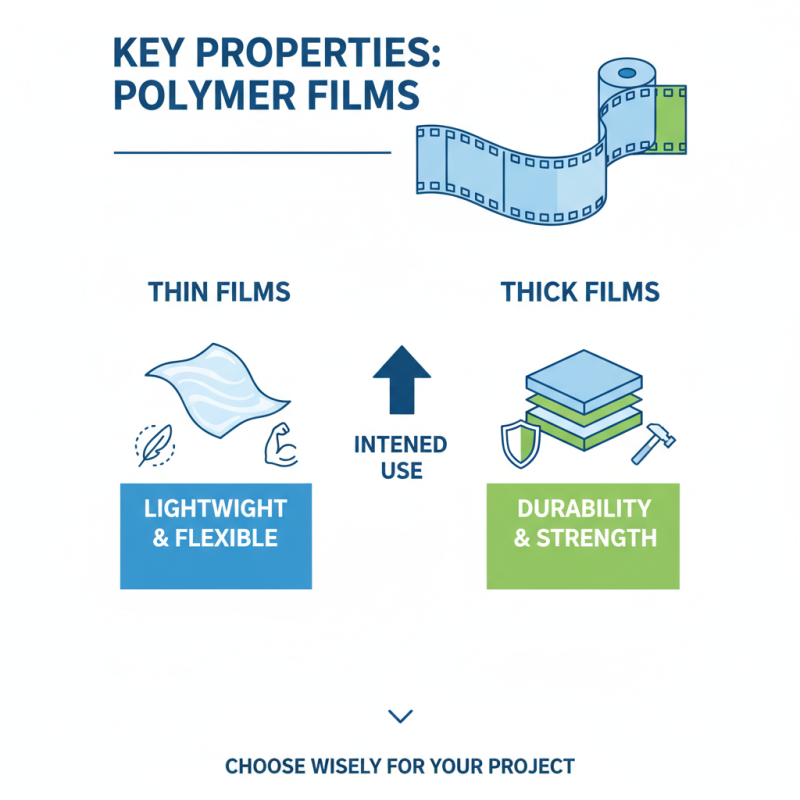
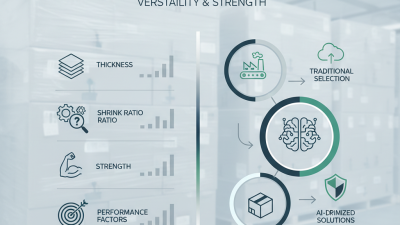
Choosing the right polymer film requires careful consideration of key properties. One crucial factor is thickness. Different projects need different film thicknesses. Thin films are lightweight and flexible, while thicker films offer durability. The right choice depends on the intended use.
Another important consideration is clarity. Transparency varies among polymer films, affecting visibility and aesthetics. High clarity films are essential for applications where appearance matters, like packaging. However, some projects may benefit from opaque films, which can provide additional privacy.
Film strength is also vital. Tensile strength indicates how much force the film can withstand before breaking. This is particularly important for applications involving tension or stress. Additionally, resistance to chemicals or UV light can prolong the lifespan of the film. Consider these factors carefully; the wrong choice might lead to failures. Each project has unique needs, so reflect on these properties critically.
Evaluating Environmental Resistance: UV, Moisture, and Temperature Stability
When selecting a polymer film for your project, understanding environmental resistance is critical. UV stability is essential for films exposed to sunlight. Consider how long the film will be exposed. Some films degrade quickly under UV light, affecting performance. A thorough evaluation of UV resistance can save time and cost in the long run.
Moisture resistance is another vital factor. High humidity can weaken certain polymer films. If your project is in a moist environment, evaluate the film's moisture barrier properties. Some films might not perform well when wet. This could lead to failure or degradation.
Temperature stability should also be prioritized. Extreme temperatures can cause films to warp or become brittle. Identify the temperature range your film will encounter. It’s important to choose a film that maintains its integrity during these conditions. Testing under real environmental scenarios is often necessary. This practical approach can expose weaknesses not evident in standard specifications. While many manufacturers provide guidelines, hands-on assessments can reveal much more.
Environmental Resistance of Different Polymer Films
Cost-Effectiveness: Comparing Budget and Long-term Value of Polymer Films
When selecting a polymer film, understanding cost-effectiveness is key. It's not just about the initial price.
Consider the long-term value. Cheaper films may save money upfront but can lead to higher costs later due to replacements or performance issues.
A detailed assessment involves comparing durability and resistance features. For example, a film with higher durability may be pricier. However, it could also last significantly longer than a cheaper alternative. Each project has unique requirements, making it vital to analyze these factors closely.
Finding the right balance between budget and quality is challenging. Sometimes further analysis is necessary to judge if a higher upfront cost is justifiable. Reflecting on past decisions can help refine this process. Making informed choices will ultimately lead to better results in your projects.
Importance of Supplier Reputation in Sourcing Quality Polymer Films
Selecting the right polymer film involves more than just technical specifications.
Supplier reputation plays a critical role in ensuring high quality. A 2022 report from the Plastics Industry Association indicates that
70% of sourcing decisions are influenced by supplier credibility. A reliable supplier can provide consistent product quality,
which is crucial for project success.
When evaluating suppliers, consider their track record. Look at customer reviews and industry awards. A supplier with positive recognition typically invests in quality control.
It’s important to verify their certifications too. Research shows that 68% of projects face delays due to inferior materials.
This highlights the need for reputable partners.
Moreover, transparency is key. Suppliers should be open about their manufacturing processes and material sourcing. For instance, a study by Market Research Future reveals that
55% of companies prioritize suppliers who practice sustainability.
Ethical sourcing can lead to better performance and lower risk. Balancing quality with supplier trust can strengthen outcomes for your polymer film projects.

 1Durch die gruppenweite Einführung und Harmonisierung unseres integrierten Managementsystems (IMS) werden alle bestehenden Unternehmens-, Qualitäts-, Umwelt- und Energiepolitiken durch diese Unternehmenspolitik ersetzt. Der Slogan „Textil hat Zukunft – auch in De