How to Use Polymer Sheet for Your Next Project?
When considering materials for your next project, Polymer Sheet stands out due to its versatility and durability. This synthetic material is lightweight yet strong, making it an excellent choice for various applications. Whether you're crafting display cases, signage, or even protective barriers, Polymer Sheets can handle it all.
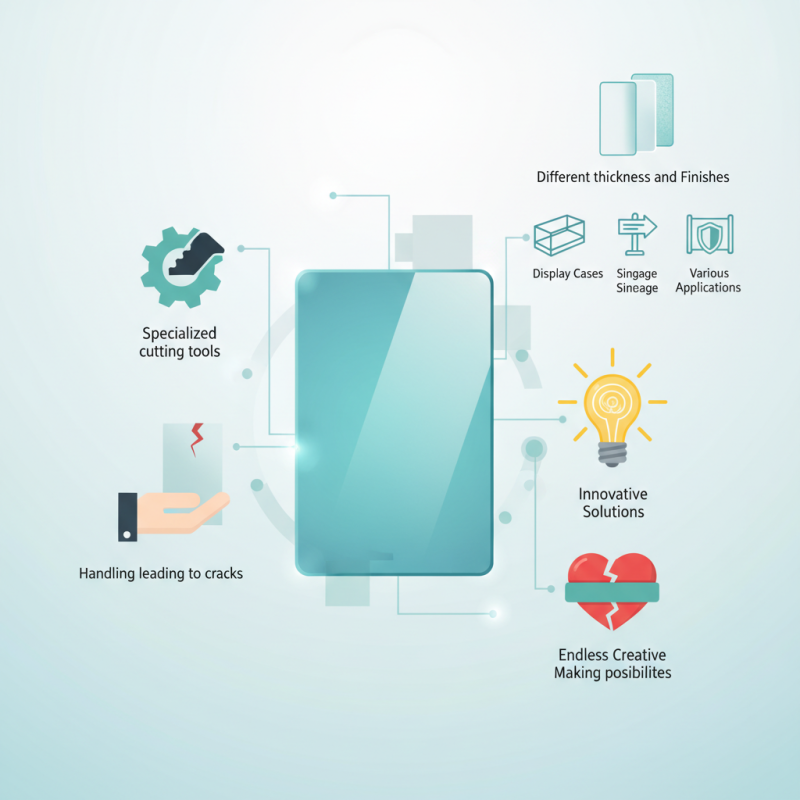
Using Polymer Sheets offers unique challenges. You may find cutting them requires specialized tools. Also, while they can withstand significant stress, improper handling can lead to cracks. It's essential to understand the properties of your chosen Polymer Sheet type before starting. These sheets come in different thicknesses and finishes, each suited for specific tasks.
However, the learning curve shouldn't deter you. Experimenting with Polymer Sheets can lead to innovative solutions. Don't be afraid to make mistakes along the way; each misstep can provide valuable insights. Embracing this material opens up endless creative possibilities for your projects.
Understanding Polymer Sheets: Types and Properties
Polymer sheets come in various types, each with unique properties. Common materials include acrylic, polycarbonate, and PVC. Acrylic sheets are known for their clarity and UV resistance. Polycarbonate is tougher, offering high impact resistance. PVC sheets provide chemical resistance and durability for various applications.
When choosing a polymer sheet, consider the specific requirements of your project. For example, acrylic is perfect for displays due to its clarity. Polycarbonate, on the other hand, is ideal for safety applications because it can withstand significant impact.
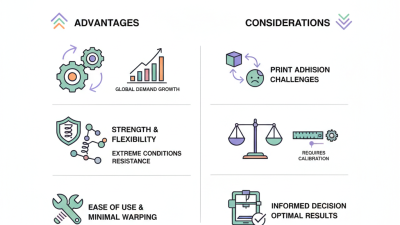
According to a recent industry report, polymer sheet demand is expected to grow by 5% annually. This highlights their increasing importance in construction and signage.
Tip: Always check the manufacturer's specifications. Not all polymer sheets are the same, even within one type. Some might be less resistant to scratches or UV damage than others.
Tip: Prioritize the sheet's thickness based on your needs. Thicker sheets often provide better durability but can be heavier and harder to work with. Sometimes a thinner sheet will suffice.
While polymer sheets have many benefits, they are not without drawbacks. Some are prone to yellowing over time. Others may warp under extreme temperatures. Testing materials before committing to large projects can save time and resources.
Choosing the Right Polymer Sheet for Your Project
Choosing the right polymer sheet for your project is crucial. Different types offer unique properties. For instance, acrylic sheets are great for clear visibility. They are lightweight and shatter-resistant. Polycarbonate sheets, on the other hand, provide excellent impact resistance. This can be vital for outdoor projects.
When selecting a polymer sheet, consider the application. Are you making a display case or a protective barrier? Each project has specific needs. Think about temperature resistance, flexibility, and UV stability. Also, the thickness of the sheet matters. Thicker sheets offer more durability but can be heavier and harder to handle.
It's easy to overlook the finish of the sheet. A smooth surface can enhance the final look. However, rougher textures might be useful for grip or diffusion. Experimenting with different finishes could add unique details to your project. Be open to adjusting your ideas based on the material's characteristics. Embrace the learning process along the way.
How to Use Polymer Sheet for Your Next Project? - Choosing the Right Polymer Sheet for Your Project
| Polymer Type |
Thickness (mm) |
Impact Resistance |
UV Resistance |
Applications |
| Acrylic |
2 |
Moderate |
Excellent |
Displays, Signage |
| Polycarbonate |
3 |
High |
Good |
Safety Glass, Roof Glazing |
| PVC |
5 |
Moderate |
Fair |
Piping, Sign Making |
| PETG |
4 |
High |
Excellent |
Prototyping, Medical Devices |
Best Practices for Joining and Finishing Polymer Sheets
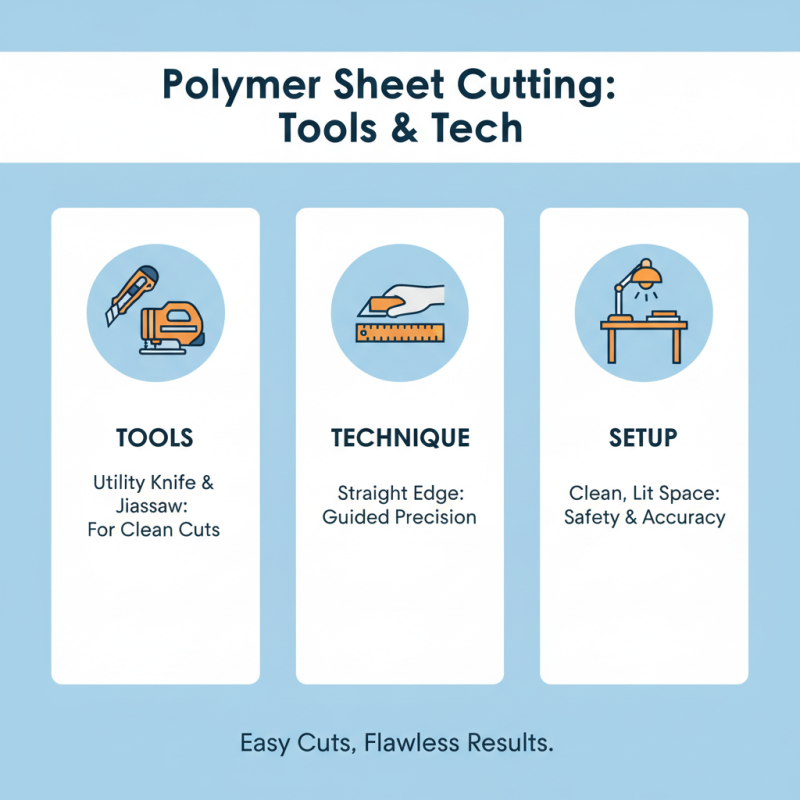
Joining and finishing polymer sheets involves specific techniques to ensure durability and aesthetic appeal. When cutting polymer sheets, use a fine-toothed saw blade. This minimizes chipping and produces smooth edges. Always measure twice before making your cuts. A wrong cut can lead to wasted material and added costs.
Adhesive choice matters greatly. Not all adhesives bond well with polymer sheets. Test a small area before full application. Applying an even layer is key. Avoid excessive glue which can ooze out and ruin the appearance. When joining sheets, align your edges carefully. Clamp the pieces together for optimal adhesion. The curing time varies; don’t rush this crucial step.
Finishing techniques further enhance your project. Sanding edges gently with fine-grit sandpaper creates a polished look. Remember to wear a mask; the dust can be irritating. For a perfect finish, consider using a flame to smooth the edges. This can be tricky and requires practice. Take your time; it’s easy to overdo it. Embrace imperfections; they can add character to your work.
Safety Precautions When Working with Polymer Materials
When working with polymer materials, safety should always be a top priority. These versatile sheets can release fumes when heated, so proper ventilation is essential. Ensure your workspace is well-aired, using fans or an open window. Wearing a mask can further protect you from inhaling any harmful particles.
Protective gear is crucial. Gloves made of nitrile or latex can shield your hands from potential irritants. Additionally, safety goggles are recommended to protect your eyes while cutting or shaping polymer sheets. Be cautious when using sharp tools. Accidental cuts can happen, so a steady hand and focus are necessary.
In case of contact with skin, wash the area immediately with soap and water. If irritation persists, seek medical advice. Always familiarize yourself with the recommended handling guidelines. While polymers are generally safe, awareness of their properties is important. Reflecting on past experiences can help avoid common mistakes, making future projects safer and more enjoyable.

 1Durch die gruppenweite Einführung und Harmonisierung unseres integrierten Managementsystems (IMS) werden alle bestehenden Unternehmens-, Qualitäts-, Umwelt- und Energiepolitiken durch diese Unternehmenspolitik ersetzt. Der Slogan „Textil hat Zukunft – auch in De