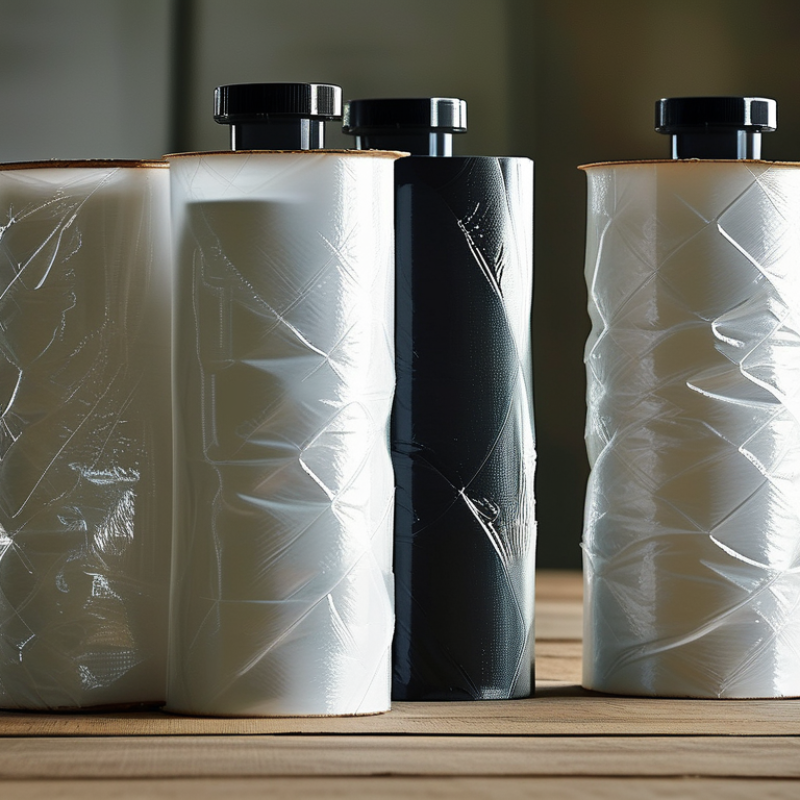
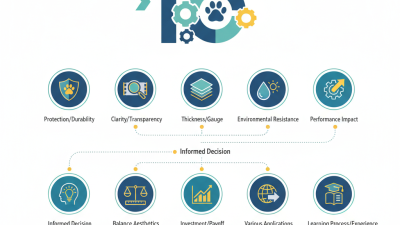
Choosing Polyester Shrink Film is not simply a matter of selecting the lowest price. It affects product protection, shelf appearance, sealing performance, and recycling decisions. A suitable film should fit the product shape, shrinking temperature, machine speed, and distribution conditions. Small mismatches can create wrinkles, weak seals, or damaged labels.
Smithers’ packaging research identifies continued demand for flexible films, driven by lightweight formats, e-commerce distribution, and material efficiency. Grand View Research also reports steady growth in the global shrink film market, although forecasts vary by region and application. These figures deserve caution. Market reports often combine several polymer types, so polyester-specific conclusions require careful reading. That is where technical judgment matters.
Packaging consultant and author Walter Soroka describes packaging as “the science, art, and technology of enclosing and protecting products.” This principle applies directly to Polyester Shrink Film. The film must protect a bottle or carton without distorting its graphics. It should shrink evenly around corners, like a controlled fabric wrap, not pull unpredictably at the seams. Thickness, shrink ratio, clarity, tensile strength, and heat resistance all deserve practical testing.
A laboratory result is not enough. Trial runs should examine film behavior on the actual machine, during actual transport. Humidity, storage temperature, ink coverage, and recycling requirements can change performance. The perfect specification may not exist. A responsible choice balances measurable performance, supplier transparency, operational experience, and environmental goals. That balance forms the foundation for the guide ahead.
Understanding Polyester Shrink Film and Its Packaging Role
Polyester shrink film is a heat-responsive packaging material used around bottles, jars, trays, and grouped products. Many retail sleeves use PETG, a polyester-based film with strong clarity and controlled shrinkage. Its role is practical: it provides decoration, tamper evidence, scuff protection, and a tight product fit. The global packaging market is projected to exceed 1.3 trillion dollars by 2028, according to Smithers’ packaging market research. That scale increases pressure to select films carefully, not simply cheaply.
Start with the package shape and shrinking equipment. Complex shoulders need higher transverse shrinkage, while flat containers need stable dimensions. Check shrink temperature, shrink percentage, thickness, tensile strength, and seam performance. Mordor Intelligence’s 2024 PET film analysis identifies thickness and end-use requirements as major purchasing factors. A thicker film may resist tearing, but it can increase material use and heating demand. I have seen attractive sleeves wrinkle because the film specification ignored label-panel geometry. That mistake is surprisingly common.
Tips: Request a technical data sheet and a machine trial. Test filled containers, not empty samples. Measure sleeve recovery after cooling. Also check ink adhesion, recycling guidance, and perforation quality. Claims about recyclability need caution; sleeve material, adhesive, ink, and bottle design can affect sorting results. The Ellen MacArthur Foundation’s Global Commitment reports continue to emphasize packaging design for a circular economy. That goal is useful, but real factory conditions can be less tidy.
| Selection Dimension | Typical Polyester Shrink Film Information | Packaging Role | Recommended Evaluation Point |
|---|---|---|---|
| Polymer Type | Polyethylene terephthalate (PET), a polyester with high tensile strength and dimensional stability. | Provides a strong, durable substrate for labels, sleeves, tamper evidence, and secondary packaging. | Confirm whether the specification is for PET shrink film, PETG shrink film, or another polyester formulation because shrink behavior differs. |
| Film Thickness | Common label and sleeve constructions are approximately 30–80 micrometres (µm); heavier protective applications may require more. | Controls stiffness, coverage, print performance, puncture resistance, and material consumption. | Use the thinnest film that meets handling, printing, sealing, and durability requirements. |
| Shrink Direction | Films may be designed for predominantly transverse-direction shrinkage, machine-direction shrinkage, or controlled biaxial shrinkage. | Allows the film to conform to containers, curves, tapered surfaces, and tamper-evident features. | Match the primary shrink direction with the container geometry and the position of seams, perforations, and graphics. |
| Shrinkage Level | Many polyester sleeve films are engineered for controlled shrinkage; exact values vary widely by grade and must be taken from the technical data sheet. | Determines how tightly the film follows the package without excessive distortion, wrinkling, or graphic deformation. | Request free-shrink and maximum-shrink values at defined temperatures and test conditions rather than relying on a general film name. |
| Heat-Shrink Processing Window | Processing conditions commonly fall within approximately 80–120°C for shrink-tunnel applications, but the correct range depends on film construction and equipment. | Supports controlled shrinking around the package while minimizing distortion and overheating. | Validate tunnel temperature, residence time, airflow, and package heat sensitivity through production trials. |
| Tensile Strength | PET generally offers higher tensile strength than common polyolefin shrink films; the actual value depends on orientation and thickness. | Improves resistance to tearing, stretching, abrasion, and handling damage during distribution. | Check machine-direction and transverse-direction tensile data for the intended packaging process. |
| Clarity and Gloss | Clear polyester film can provide high transparency and a glossy appearance when the surface is properly finished. | Enhances product visibility and supports high-quality decoration for consumer packaging. | Evaluate haze, gloss, ink adhesion, scuff resistance, and appearance after shrinking. |
| Barrier Performance | Uncoated PET provides useful moisture and gas resistance, but it is not automatically a high-barrier film. | Helps protect printed graphics and provides limited protection against environmental exposure. | For oxygen, aroma, or moisture-sensitive products, verify oxygen transmission rate and water-vapor transmission rate for the complete structure. |
| Temperature Resistance | PET has a relatively high melting range, commonly reported around 250–260°C, while shrink-processing temperatures are much lower. | Maintains mechanical integrity in demanding filling, transport, and storage environments. | Check the film’s continuous-use and short-term temperature limits rather than using melting temperature as the operating limit. |
| Density and Material Use | PET density is approximately 1.38–1.40 g/cm³. | Affects roll weight, shipping cost, package yield, and material usage calculations. | Compare cost per finished package, not only cost per kilogram or cost per roll. |
| Print Compatibility | PET shrink film can support gravure, flexographic, digital, or other print processes when the surface is treated or coated as required. | Delivers product information, decoration, instructions, regulatory text, and promotional graphics. | Confirm surface energy, ink system, drying requirements, color consistency, and artwork distortion after shrinking. |
| Seam and Sealing Method | Sleeves are commonly formed with solvent, adhesive, or compatible heat-sealing systems, depending on the film structure. | Creates a continuous sleeve and supports tamper-evident packaging or full-container decoration. | Test seam strength, seam visibility, chemical compatibility, and performance through the shrink tunnel. |
| Recyclability Considerations | PET film and PET containers may not be compatible in the same recycling stream, especially when sleeves cover a large portion of the container. | Influences sorting, identification, material recovery, and end-of-life performance. | Check local recycling guidance, sleeve coverage, label separation requirements, inks, adhesives, and perforation options. |
| Best-Fit Applications | Suitable for durable shrink sleeves, tamper-evident bands, decorative labels, multipack overwraps, and applications requiring strength. | Combines product identification, decoration, protection, and evidence of package opening. | Select the film only after matching shrink profile, container shape, filling line speed, print method, and sustainability requirements. |

Identifying the product comes before selecting the film. Check its weight, corners, surface sensitivity, and exposure to heat. A delicate container may warp under aggressive shrinking. A square product may need stronger film tension around sharp edges. I measure the product first. Guessing often creates waste.
The package design matters just as much. Record the package length, width, height, and sealing area. Leave enough film for a clean seal without excessive overlap. Polyester shrink film can provide stiffness, clarity, and strong graphics, but those benefits depend on thickness and orientation. A 30-micron film may suit a light sleeve, while heavier packs may require greater puncture resistance. According to Grand View Research’s 2024 Shrink Films Market report, the global market was valued at about USD 9.15 billion in 2023, with continued growth expected through 2030. That growth reflects wider use, not automatic suitability.
Shrink requirements should be tested on the actual packaging line. Compare shrink temperature, shrink percentage, sealing strength, and tunnel speed. Watch the film around handles, corners, and trapped air. Smithers’ packaging market assessments emphasize efficiency, material reduction, and recyclable design. However, thinner film is not always better. A failed seal can consume more material through rejected packs. I would test three thicknesses, record energy use, and inspect packs after storage. The first trial may look acceptable. It may still fail later.
How to Choose Polyester Shrink Film for Packaging?
Film thickness affects strength, clarity, sealing, and material use. Thin polyester shrink film can suit lightweight cartons and smooth surfaces. A thicker film may protect products with sharp corners or rough edges. Common options range from about 12 to 50 microns, but the right choice depends on handling conditions.
Check shrink rates in both machine and transverse directions. A film with balanced shrinkage can produce cleaner folds around rectangular packages. Uneven shrinkage may pull labels, wrinkle panels, or expose corners. For heat-sensitive contents, choose a lower shrink temperature and test the package gradually. Watch the film near seals. Excessive heat can create brittle edges.
Performance testing should include drop tests, seal strength checks, and short storage trials. A practical test might use filled cartons, warehouse temperatures, and ordinary handling. Measure thickness with a calibrated gauge, not by appearance alone. Clear film can look strong while puncturing easily. I once underestimated corner stress on a rigid box; the film looked tight but split during transport. That result changed the testing method.
Allow room for imperfect results. Machines, film batches, and package shapes can vary. Record temperature, line speed, shrink time, and failure points before adjusting the specification. A reliable choice is the thinnest film that passes real handling tests without sacrificing seal integrity or appearance.
Comparing Film Thickness, Shrink Rates, and Packaging Performance
Representative technical values for heat-shrinkable polyester film are shown for comparison. Transverse-direction shrinkage is typically much higher than machine-direction shrinkage because of the film's orientation. Thicker films generally provide greater puncture resistance and sealing strength, while thinner films can reduce material use and packaging weight. Actual results depend on resin formulation, orientation, heating temperature, dwell time, and test method.
Choosing polyester shrink film begins with the packaging equipment, not the product alone. A film can look excellent in samples and still fail on a busy line. Check the machine’s sealing method, tunnel temperature, roll width, core size, and maximum film thickness before ordering.
For sleeve applicators, polyester-based shrink film should match the required shrink direction. Uneven shrink can distort graphics or leave loose areas around corners. A controlled shrink curve is useful when containers have handles, shoulders, or narrow necks. Confirm whether the equipment needs center-folded film, single-wound rolls, or preformed sleeves. The wrong roll format creates tracking problems.
Heat settings deserve practical testing. Start with the film supplier’s recommended range, then adjust gradually. Excessive heat may cause holes, whitening, or label distortion. Insufficient heat can leave wrinkles near the base. I have seen a line run smoothly during a short trial but struggle after several hours. Film tension, static, and changing room humidity were partly responsible. That result was a useful reminder: a quick test is not enough.
Measure finished packages from several positions, not just one sample. Check seal strength, shrink uniformity, surface clarity, and roll unwinding. Allow extra time for production trials. Small details matter. A slightly different core or film gauge can change machine performance. Reliable selection combines technical data with observations from the actual equipment, product shape, and operating conditions.
Checking Quality, Compliance, Cost, and Supplier Support
Quality starts with measurable performance, not a glossy sample. Check film thickness, shrink percentage, tensile strength, haze, and sealing behavior. Request test data for every production lot. A film may shrink evenly in the laboratory but wrinkle around sharp package corners. That difference matters. Test it on your actual machine, product shape, and heating settings. Small trials reveal problems early.
Compliance depends on the final use and destination market. Ask for current declarations, safety data, and traceability records. Food-contact packaging may require additional migration documentation. Electrical or industrial applications may need different material controls. Do not accept vague claims. Verify the resin type, additives, recycled content, and storage conditions. Documents can look complete yet miss a relevant requirement. I have learned that checking assumptions is part of quality work.
Price should include waste, downtime, energy use, and rejected packs. A cheaper roll is not always cheaper in production. Compare yield per roll and stable performance across batches. Supplier support also deserves a practical test. Can the supplier provide samples quickly, explain processing limits, and respond with evidence? Check lead times, packaging protection, minimum order quantities, and complaint procedures. One overlooked detail is communication after purchase. Support that disappears after delivery creates avoidable costs. Share machine settings and trial results honestly; weak feedback can also lead to poor recommendations.