What is Laminating Film and How Is It Used in Various Applications?
Laminating Film plays a critical role in various industries. Its primary function is to enhance durability and protection for printed materials. According to a recent market research report, the global laminating film market is projected to reach $5.5 billion by 2025, highlighting its significance.
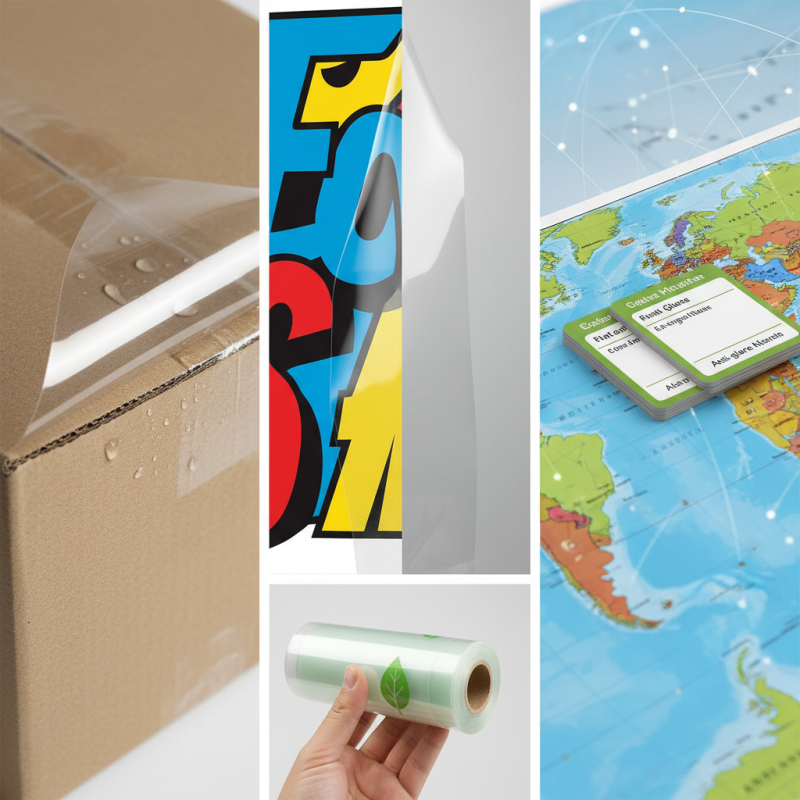
This versatile film is used in packaging, graphic arts, and even in electronics. In packaging, it provides moisture resistance. In graphic arts, it enhances colors and adds a glossy finish. Users often struggle with the selection of the right type of laminating film for their needs. Mistakes can lead to reduced effectiveness and wasted resources.
One notable area is in educational materials. Laminating film prolongs the life of posters and worksheets. However, the environmental impact of laminating films raises concerns. Many businesses are now seeking eco-friendly alternatives. Finding the right balance between performance and sustainability is essential for future applications.
Definition and Characteristics of Laminating Film
Laminating film is a protective layer used to enhance durability and appearance. It consists of thin plastic sheets that adhere to surfaces. This film is widely used across various industries, such as printing, packaging, and construction. A recent industry report indicates that the global laminating film market is expected to grow significantly, driven by increasing demand for high-quality packaging solutions.
One noteworthy characteristic of laminating film is its ability to resist moisture and damage. This feature is particularly valued in environments where exposure to elements is common. Additionally, laminating films come in various finishes, including gloss and matte. These finishes can change the aesthetic appeal and functionality of products, making them more appealing to consumers.
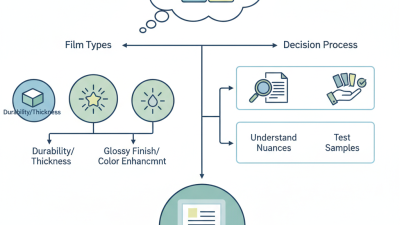
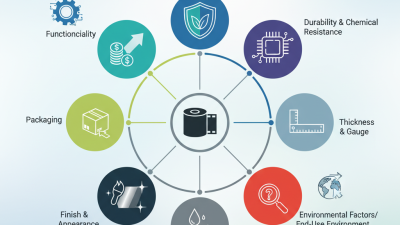
**Tips:** To select the right laminating film, consider the intended use. For items exposed to heavy handling, opt for thicker films. Assess the environmental conditions the laminated item will face. Lastly, always test a small sample to ensure compatibility with other materials.
Common Types of Laminating Film and Their Uses
Laminating film is essential in various fields. It comes in different types, each suited for specific applications. The most common types include thermal, cold, and pressure-sensitive laminating films.
Thermal laminating film requires heat to activate adhesive. It's often used for protecting documents, menus, and photographs. This film adds a glossy finish that enhances colors but can be challenging to work with; improper temperatures can lead to bubbles or wrinkles.
Cold laminating film, on the other hand, uses pressure to adhere. It's great for sensitive materials that can't withstand heat. This type is perfect for posters and artwork. While it’s easier to apply, achieving a seamless finish can be tricky. Lastly, pressure-sensitive laminating films are versatile and user-friendly. They work for labels and crafts but lack some durability compared to thermal or cold films.
What is Laminating Film and How Is It Used in Various Applications? - Common Types of Laminating Film and Their Uses
| Type of Laminating Film |
Thickness (mil) |
Finish |
Common Uses |
| Standard Laminating Film |
3-10 mil |
Glossy or Matte |
ID cards, menus, brochures |
| Thermal Laminating Film |
1.5-10 mil |
Glossy |
Posters, photos, certificates |
| Cold Laminating Film |
3-5 mil |
Matte or Glossy |
Prints, artwork, delicate materials |
| Pouch Laminating Film |
3-10 mil |
Glossy |
Business cards, small documents |
| Pressure-Sensitive Laminating Film |
2-5 mil |
Glossy or Matte |
Signage, labels, tags |
Applications of Laminating Film in Packaging and Printing
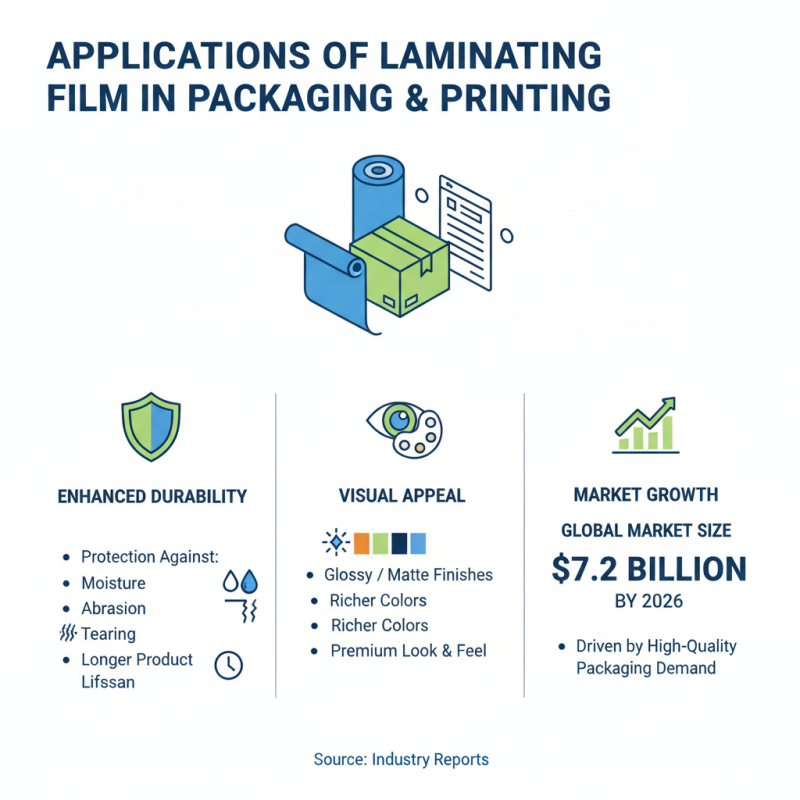
Laminating films play a crucial role in packaging and printing industries. They enhance durability and visual appeal. The global laminating film market size is projected to reach $7.2 billion by 2026, according to industry reports. This growth is driven by rising demand for high-quality packaging materials.
In packaging, laminating films provide moisture resistance and protection from damage. For example, food packaging often utilizes laminates to extend shelf life. These films are essential in keeping contents fresh. They also add an attractive finish that catches consumers' attention. In printing, laminating enhances colors and offers a professional finish. This is particularly important for marketing materials where first impressions matter.
Tips: When selecting laminating film, consider the specific needs of your project. Ensure compatibility with the printing method. Experiment with various finishes like gloss and matte to see what works best. Reflection is important; sometimes, the chosen film may not meet performance expectations. Adjusting specifications based on feedback can lead to better outcomes. In a rapidly evolving market, staying updated on trends is vital for success.
Benefits of Using Laminating Film in Various Industries
Laminating film is crucial in many industries, offering numerous benefits that enhance both functionality and durability. The global laminating film market is projected to reach $5.6 billion by 2027, growing at a rate of 4.5% annually, according to industry reports. This growth reflects the film's widespread use in packaging, printing, and more. It provides waterproofing, UV protection, and resistance to tear. These properties protect documents and products, ensuring longevity.
In the food and beverage sector, laminated packaging contributes to food safety and extends shelf life. Research shows that 70% of packaged foods utilize laminating films, reducing spoilage and waste. For educational materials, laminating film protects vital documents from wear and damage. Studies indicate that laminated materials have a 30% longer lifespan than non-laminated ones. However, challenges exist; not all films are recyclable, raising environmental concerns. Industries must consider sustainable alternatives while enjoying laminate benefits.
Healthcare also benefits significantly from laminating films. Medical documents require durability and hygiene. Laminating protects sensitive information while providing easy cleaning options. Still, the reliance on plastics poses questions for sustainability. Balancing utility and ecological impact is a pressing issue for the future of laminating film applications.
Best Practices for Laminating Film Application and Maintenance
Laminating film serves various needs, from preserving printed materials to enhancing durability. The application of laminating film can significantly affect the longevity and quality of documents. However, improper application can lead to issues like bubbling, wrinkles, or peeling.
Best practices involve ensuring a clean surface for adhesion. A recent report from the Laminating Association emphasized that about 30% of lamination failures stem from contaminants. It’s essential to use a dust-free environment during application to mitigate these issues. Temperature settings are crucial; films usually require specific heat levels to adhere properly. Users should always refer to recommended guidelines to avoid misapplication.
Maintenance is equally important. Regular checks for wear and tear can prevent bigger problems. Many users overlook the need to remove dust and debris from machines, leading to uneven lamination. Engaging in routine maintenance not only prolongs the life of equipment but also ensures consistent results. In fact, studies suggest that effective maintenance can improve operational efficiency by up to 25%. This approach ensures high-quality lamination and optimizes both time and resources.

 1Durch die gruppenweite Einführung und Harmonisierung unseres integrierten Managementsystems (IMS) werden alle bestehenden Unternehmens-, Qualitäts-, Umwelt- und Energiepolitiken durch diese Unternehmenspolitik ersetzt. Der Slogan „Textil hat Zukunft – auch in De