10 Essential Tips for Using Pet Polyester Film Effectively
In the dynamic world of packaging and production, understanding how to leverage Pet Polyester Film is crucial. Renowned industry expert Dr. Emily Chen emphasizes, “The effectiveness of Pet Polyester Film lies in its proper application.” This highlights the importance of mastering its use to achieve desired results.
Pet Polyester Film offers versatile properties that can elevate various projects. From thermal stability to lightweight design, it serves multiple functions across industries. Yet, many users overlook essential practices that maximize its potential. Without a clear grasp of its characteristics, challenges may arise in actual applications, leading to wasted resources and inefficiencies.
Improper handling of Pet Polyester Film can result in performance issues. Users must reflect on their methods and remain open to learning. Addressing common pitfalls and embracing best practices will enhance the effective use of this material. Ultimately, striving for excellence with Pet Polyester Film leads to successful outcomes and innovation in packaging solutions.
Understanding Pet Polyester Film and Its Applications
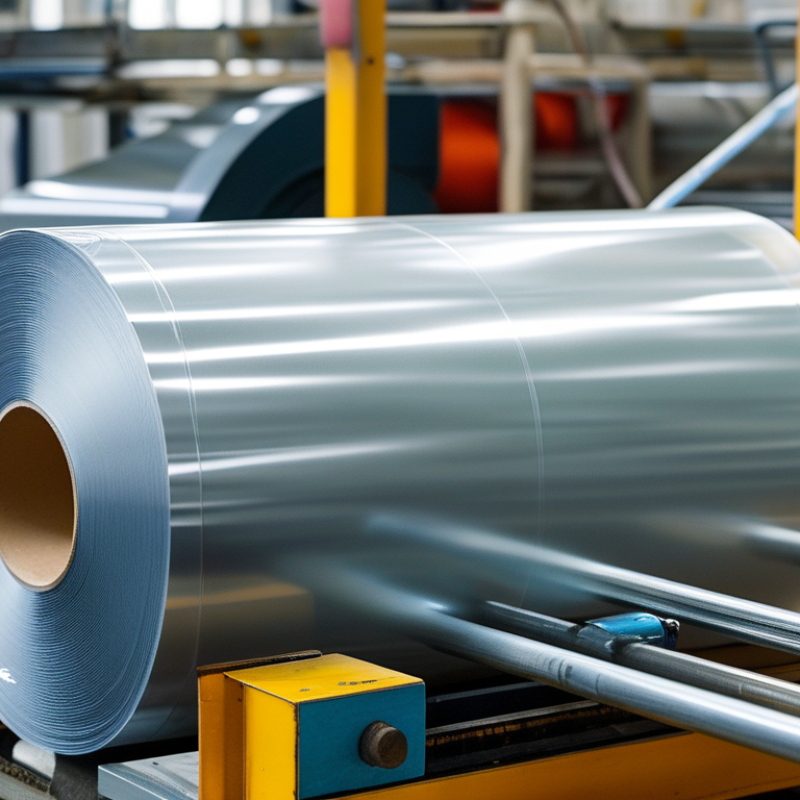
Pet polyester film, known for its clarity and durability, is increasingly popular in various industries. Its specific applications range from packaging to electrical insulation. According to a recent market analysis, the global demand for polyester films is projected to reach 7.5 billion USD by 2026. This growth reflects its advantages, including excellent barrier properties and thermal stability.
In packaging, pet polyester film is favored for its lightweight nature and resistance to moisture. It can extend the shelf life of products. A report by Research and Markets notes that flexible packaging is expected to dominate the polyester film segment due to rising consumer demand for convenience. However, there's a challenge in recycling, as the film often ends up in landfills. Finding sustainable solutions for recycling remains a pressing concern in the industry.
In the electronics sector, pet polyester film serves as an insulator in various applications. Its insulating properties are essential for safety and efficiency. The global electronics market is expanding rapidly. Yet, the need for precise manufacturing processes can lead to quality inconsistencies. Some films may not meet rigorous testing standards, highlighting the importance of stringent quality checks in production.
Choosing the Right Thickness and Type of Pet Polyester Film
When selecting the right thickness of PET polyester film, consider your project’s specific needs. Thicker films offer higher durability and protection. They resist tearing and punctures more effectively. However, for applications requiring flexibility, thinner films may be preferable. Be mindful of the trade-offs; thicker films can be less pliable, impacting how they conform to surfaces.
The type of PET film also matters significantly. Different surface treatments can affect adhesion and printability. Some films are designed for enhanced coatings while others focus on clarity and gloss. Experimentation can lead to unexpected results. It’s not always clear which type performs best until you’ve tested them in your specific environment.
Don’t hesitate to conduct small trials before committing to larger orders. This hands-on approach can reveal insights and prompt adjustments to your choices. Adjusting thickness or type can greatly influence overall effectiveness.
Preparation and Surface Treatment for Optimal Adhesion
Preparation is key when working with pet polyester film. Start by ensuring the surface is clean and free of contaminants. Dust, grease, or moisture can severely affect adhesion quality. Use a lint-free cloth and appropriate cleaner. This step is often overlooked but crucial for effective results.
Another important aspect is surface treatment. Consider applying a primer to enhance adhesion. Primers create a better bonding surface for the pet polyester film. They help to increase the surface energy, leading to improved stickiness. Experiment with different types of primers to find the best match.
Tips for effective use are straightforward. Maintain a consistent temperature in your workspace, as temperature fluctuations can impact adhesion. Applying the film with firm pressure will also help to eliminate air bubbles. It’s essential to check for imperfections during the application process. These small details can determine the final outcome of your project, making careful preparation and attention to surface treatment vital.
Best Practices for Handling and Cutting Pet Polyester Film
When it comes to handling and cutting PET polyester film, precision and care are essential. This material is known for its strength and versatility, making it a preferred choice in various industries. However, improper handling can lead to waste and inefficiencies. According to a recent industry report, around 15% of material waste stems from mishandling. This highlights the need for best practices in working with PET films.
A key tip is to ensure that your cutting tools are sharp. Dull blades can cause tearing, resulting in uneven edges. When cutting PET polyester film, use a straight edge and a ruler to guide your cuts. This minimizes errors and ensures clean edges, which are essential for proper sealing and adhesion. Another important aspect is the working environment. Dust and debris can affect the quality of the film. Maintaining a clean workspace prevents contamination and enhances the final product's look and feel.
Additionally, consider the temperature and humidity levels. PET film can become brittle when exposed to cold conditions. Inadequate conditions may lead to unwanted creasing. Using these tips effectively can improve your workflow and reduce material waste. Remember, high-quality handling translates to high-quality results. Optimize your approach, and reflect on your methods regularly for continuous improvement.
10 Essential Tips for Using Pet Polyester Film Effectively
| Tip Number |
Tip Description |
Best Practice |
| 1 |
Choose the Right Thickness |
Use thicker films for better durability. |
| 2 |
Maintain Clean Surfaces |
Keep work surfaces dust-free for optimal adhesion. |
| 3 |
Use Sharp Cutting Tools |
Ensure clean edges and minimize fraying. |
| 4 |
Store in a Cool, Dry Place |
Prevent warping and degradation over time. |
| 5 |
Use Proper Adhesives |
Select adhesives compatible with polyester. |
| 6 |
Test Before Full Application |
Conduct small tests to check for compatibility. |
| 7 |
Avoid Direct Sunlight Exposure |
Minimize UV damage during storage. |
| 8 |
Use Layering Techniques |
Increase structural integrity with multiple layers. |
| 9 |
Monitor Temperature Conditions |
Keep in temperature-controlled environments during processing. |
| 10 |
Dispose of Properly |
Follow recycling guidelines specific to polyester. |
Troubleshooting Common Issues When Using Pet Polyester Film
When working with pet polyester film, you may encounter common issues that hinder your project. One frequent problem is adhesion. If the film doesn't stick properly, check the surface preparation. Dust or oils can weaken adhesion. Use a clean, lint-free cloth to wipe the surface and ensure it's free from contaminants.
Another challenge is wrinkling. Wrinkles can appear if the film is not applied smoothly. Take your time during application to minimize bubbles and creases. If wrinkles do form, a heat gun can gently smooth them out. However, be cautious with the temperature to avoid damaging the film.
If you notice discoloration or fading, the environmental factors might be at play. Exposure to sunlight or chemicals can change the film's appearance. Consider placing the finished product in a protective environment. Reflect on your material storage practices, as improper conditions might contribute to these issues. Consistently analyze your methods to improve your results.
Common Issues in Using PET Polyester Film
This bar chart illustrates the common issues users face when working with PET polyester film. The data indicates the frequency of these problems, with adhesion issues being the most prevalent, followed by bubbles and wrinkles. Understanding these challenges can help in troubleshooting and improving the use of PET polyester films effectively.

 1Durch die gruppenweite Einführung und Harmonisierung unseres integrierten Managementsystems (IMS) werden alle bestehenden Unternehmens-, Qualitäts-, Umwelt- und Energiepolitiken durch diese Unternehmenspolitik ersetzt. Der Slogan „Textil hat Zukunft – auch in De